Wearable Technology Trends and Innovations at apkprotech.com in 2026

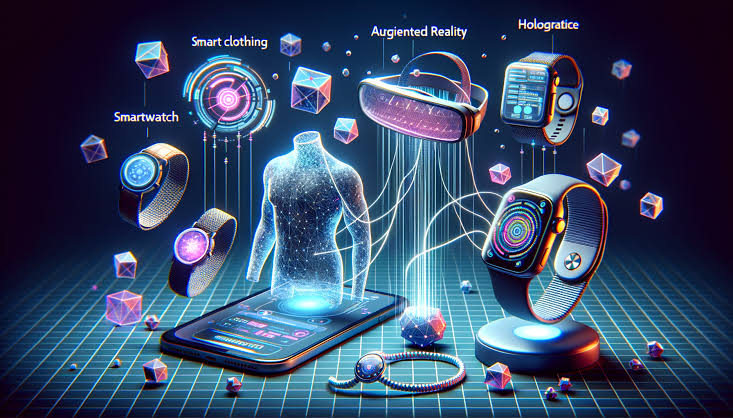
Wearable technology has become an important part of modern digital life. What once started with simple fitness bands and digital watches has developed into an advanced ecosystem of connected devices that help people monitor their health, improve productivity, manage daily activities, and stay connected. Smartwatches, fitness trackers, smart rings, wireless earbuds, and intelligent eyewear are changing how individuals interact with technology. These products are becoming more comfortable, intelligent, and capable of delivering useful information throughout the day.
In 2026, wearable technology is moving beyond basic activity tracking. Artificial intelligence, improved sensors, personalized health insights, and more efficient connectivity are creating new opportunities for consumers and businesses. People increasingly expect their devices to provide meaningful assistance instead of simply displaying notifications or recording steps. Platforms such as apkprotech.com can help technology enthusiasts explore these developments, understand emerging innovations, and discover how connected devices may influence everyday experiences.
Another important development is the growing focus on convenience and personalization. Modern consumers want technology that fits naturally into their routines without requiring constant attention. This demand is encouraging manufacturers to develop smaller devices, longer-lasting batteries, more accurate sensors, and intelligent software. Understanding these changes makes it easier to recognize which wearable innovations offer genuine value and which features are still developing.
1. Artificial Intelligence Is Transforming Wearable Devices
Artificial intelligence is becoming one of the most influential technologies shaping the wearable industry. Earlier wearable devices mainly collected information, such as heart rate, distance traveled, and sleep duration. Users generally needed to open a companion application to understand these measurements. Modern AI-powered systems are beginning to interpret collected information and turn it into personalized recommendations.
For example, an intelligent fitness tracker can examine activity patterns, sleeping habits, and recovery information to suggest appropriate exercise intensity. Rather than presenting a collection of disconnected numbers, the device can explain how daily habits influence overall wellness. AI assistants integrated into smartwatches and other wearable products may also help users manage reminders, answer questions, summarize information, and perform simple tasks through voice commands.
Another emerging development is on-device AI processing. Instead of transferring every request to a remote server, compatible devices can perform certain operations locally. This approach can improve response times, reduce dependence on continuous internet connectivity, and limit the amount of personal information transmitted externally. However, actual capabilities depend on the hardware, software, and privacy settings of individual products.
The growing combination of artificial intelligence and wearable hardware is making technology more responsive to individual needs. Readers following apkprotech.com can explore how these intelligent systems are influencing consumer electronics and creating new possibilities for personalized digital experiences.
2. Smartwatches Are Becoming More Advanced Health Companions
Smartwatches continue to be among the most recognizable wearable devices because they combine communication, fitness tracking, and everyday convenience. Modern models offer features such as heart rate monitoring, sleep tracking, GPS navigation, workout recognition, notifications, and emergency assistance. These capabilities make smartwatches useful for people with different lifestyles, from office professionals to athletes and outdoor enthusiasts.
Health-related functionality is receiving particular attention. Many newer devices offer measurements and estimates involving blood oxygen levels, heart activity, skin temperature, stress indicators, and sleep patterns. Some compatible products also include electrocardiogram functionality and irregular heart rhythm notifications in supported regions. These features can provide useful information about personal wellness, although their availability and regulatory status differ between products and markets.
Battery efficiency and display improvements are also influencing smartwatch development. Manufacturers are working to balance brighter screens, more powerful processors, and advanced sensors with practical battery life. Some devices prioritize lightweight software and simpler displays to reduce energy consumption, while premium models offer more sophisticated applications and connectivity.
The next stage of smartwatch development will likely focus on delivering clearer and more actionable information. Instead of encouraging users to constantly check their screens, devices will increasingly aim to provide relevant notifications when they are useful. This shift could make wearable technology more convenient and less distracting.
3. Smart Rings Are Creating a New Wearable Category
Smart rings are gaining attention because they provide many wearable functions in a compact form. Unlike traditional smartwatches, these devices generally do not include large displays or extensive physical controls. Their primary purpose is to collect selected information through miniature sensors while maintaining the appearance and comfort of ordinary jewellery.
Many smart rings concentrate on sleep monitoring, resting heart rate, heart rate variability, activity levels, and recovery insights. Their discreet design makes them attractive to individuals who prefer not to wear a watch throughout the day or during sleep. Some products also explore gesture-based controls and other connected-device interactions, although these features vary significantly between manufacturers.
The biggest challenge for smart ring developers is fitting sophisticated technology into a very small physical structure. Sensors, processors, wireless components, and batteries must operate within limited space. Comfort, water resistance, measurement consistency, and charging convenience are therefore important considerations.
Smart rings are not necessarily replacements for smartwatches. Instead, they provide an alternative for people with different preferences and requirements. As sensor technology improves, this category could become an increasingly important part of the wearable ecosystem.
4. Smart Glasses Are Changing Hands-Free Digital Interaction
Smart glasses represent another important direction in wearable innovation. These products combine traditional eyewear designs with cameras, microphones, speakers, wireless connectivity, and, in some models, small visual displays. Their purpose is to provide digital assistance without requiring users to hold a smartphone or look down at a smartwatch.
Artificial intelligence is expanding their potential applications. Depending on the device, users may be able to request translations, receive navigation guidance, identify objects, capture photographs, listen to audio, or interact with a voice assistant. These features could be particularly useful for travellers, content creators, professionals, and people who frequently need hands-free access to information.
Augmented reality technology introduces additional possibilities. Instead of displaying information only on a phone screen, compatible glasses can place digital elements within the user’s field of view. This could support workplace instructions, educational demonstrations, product visualization, and navigation. However, the quality of the experience depends on display technology, processing power, battery performance, and software compatibility.
Privacy remains an important consideration. Cameras and microphones integrated into everyday eyewear can raise questions about recording consent and the collection of information about surrounding people. Responsible manufacturers need to provide visible recording indicators, clear controls, and transparent data policies. Smart glasses will become more widely accepted when convenience is balanced with respect for personal privacy.
5. Advanced Health Monitoring Is Moving Beyond Fitness
Wearable technology is increasingly being used to understand different aspects of personal wellness. Traditional fitness trackers concentrated on counting steps and measuring exercise performance. Newer devices are expanding this approach by collecting multiple types of physiological information and examining patterns over longer periods.
For instance, sleep tracking can help users understand their bedtime consistency, sleep duration, and estimated sleep stages. Heart rate variability measurements may provide additional information about recovery and changes in physiological stress. Temperature trends and activity patterns can also contribute to a broader picture of daily wellness.
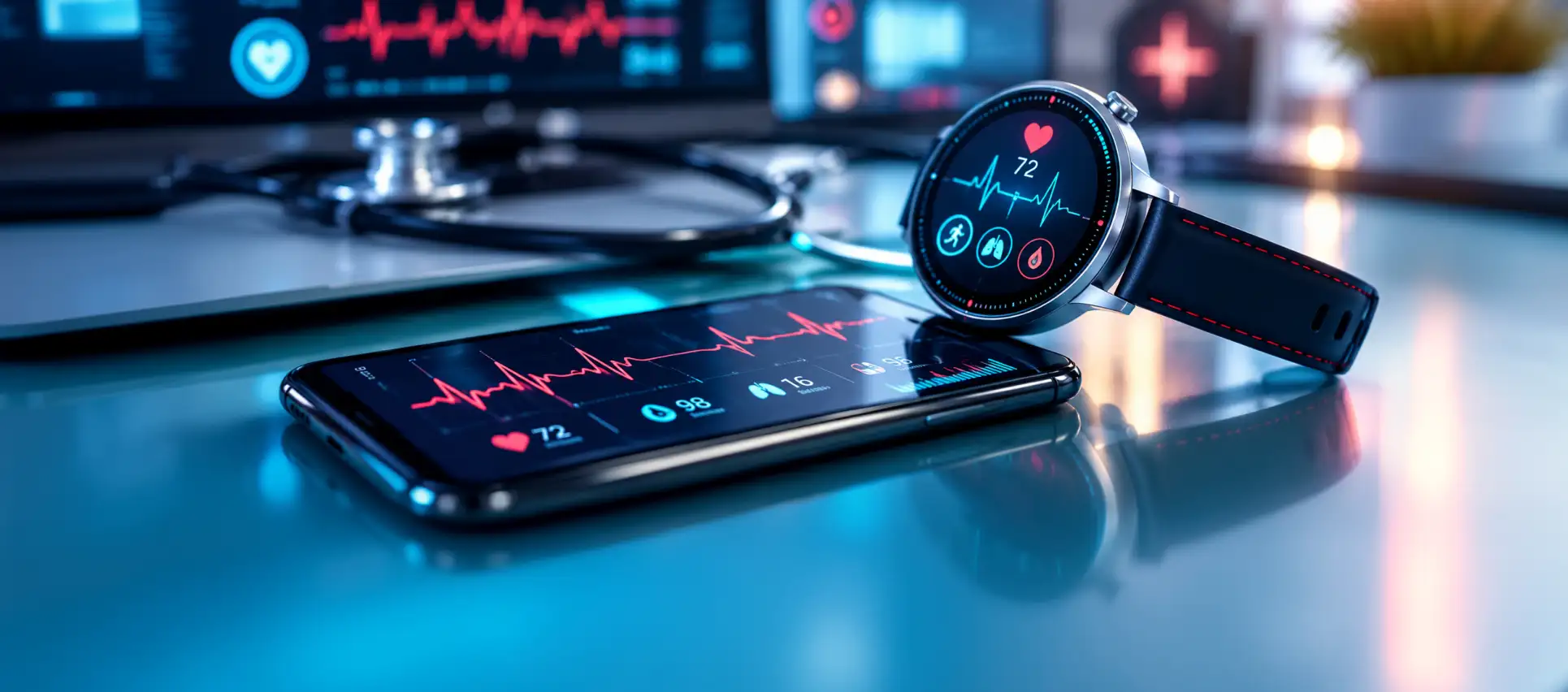
Some healthcare organizations are exploring wearable devices for remote patient monitoring and ongoing observation. In suitable situations, connected devices can help patients share selected measurements with healthcare professionals without requiring frequent in-person visits. This approach may support certain monitoring programs, particularly when devices are validated for their intended medical purpose.
However, wearable measurements should not automatically be treated as medical diagnoses. Consumer devices can produce inaccurate readings because of movement, improper positioning, skin contact, environmental conditions, or sensor limitations. People experiencing concerning symptoms should seek qualified medical advice rather than depending entirely on a wearable application.
The growing relationship between healthcare and connected technology is an important subject for technology readers. apkprotech.com can be explored as a starting point for understanding the digital innovations influencing personal health management and connected consumer devices.
6. Fitness Wearables Are Becoming More Personalized
Fitness technology is moving toward personalized training rather than providing identical recommendations to every user. Modern sports watches and activity trackers can evaluate workout duration, exercise intensity, distance, pace, heart rate, and recovery patterns. When these measurements are combined over time, they can help users understand their progress and make better training decisions.
For example, a beginner preparing for a running event may benefit from gradual training recommendations based on previous activity. An experienced athlete may use advanced performance measurements to examine training consistency, recovery periods, and endurance improvements. Some applications also provide workout suggestions based on personal goals and available training information.
Another developing area is the integration of wearable devices with fitness applications, smart exercise equipment, and digital coaching platforms. This creates a connected environment in which different products can share selected information. Users may be able to review their activity history, monitor progress, and adjust their exercise routines from a central application.
Nevertheless, personalization should remain flexible. Fitness recommendations need to consider individual ability, lifestyle, recovery, and personal preferences. The most useful wearable device is not necessarily the one with the largest number of measurements but the one that helps people build sustainable habits.
7. Comparison of Major Wearable Technology Categories
Different wearable devices serve different purposes. Understanding their primary functions can help consumers choose technology that matches their requirements.
| Wearable category | Main functionality | Potential everyday benefits |
|---|---|---|
| Smartwatches | Notifications, fitness, health tracking, and applications | Communication and activity management |
| Smart rings | Sleep, heart rate, and recovery monitoring | Discreet health tracking |
| Fitness bands | Steps, exercise, and basic wellness measurements | Affordable activity monitoring |
| Smart glasses | Cameras, audio, AI assistance, and visual information | Hands-free digital interaction |
| Smart earbuds | Audio, communication, and selected intelligent features | Convenient listening and communication |
| Smart clothing | Embedded sensors and activity measurements | Specialized fitness and performance tracking |
The right category depends on how frequently someone intends to use the device and which functions matter most. A smartwatch may be appropriate for someone who wants notifications and fitness features in one product, while a smart ring may suit someone who prefers discreet health tracking. Similarly, smart glasses may appeal to people interested in hands-free communication and intelligent assistance.
8. Battery Life and Charging Efficiency Are Major Priorities
Battery performance remains one of the most important factors influencing wearable technology adoption. Unlike smartphones, many wearable devices are expected to operate continuously, sometimes throughout the night. Frequent charging can interrupt sleep tracking, fitness monitoring, and other activities that depend on uninterrupted operation.
Manufacturers are exploring several approaches to improve battery efficiency. These include low-power processors, optimized operating systems, more efficient wireless connections, improved battery materials, and intelligent power management. Some products reduce background processing when advanced features are not required, helping extend operating time.
Charging convenience is also improving through compact charging docks, magnetic connectors, and wireless charging solutions. However, not every device supports the same charging standard, and charging speeds can differ considerably. Consumers should consider actual battery performance rather than relying exclusively on advertised specifications.
Future improvements may make wearable devices more independent and convenient. Longer operating times could encourage people to use their products consistently, especially when monitoring activities that require continuous data collection.
9. Privacy and Data Security Are Essential for Wearable Users
Wearable devices collect information that can be particularly personal. Depending on their features, they may record activity levels, approximate location, sleep patterns, heart-related measurements, voice recordings, and other information. This creates opportunities for useful personalization but also introduces responsibilities for manufacturers and users.
Data protection should therefore be considered before purchasing a wearable device. Consumers should understand what information is collected, how it is stored, whether it is shared with external services, and how long it remains available. Strong account authentication, secure connections, software updates, and transparent privacy controls can reduce certain security risks.
Users can also adopt practical habits to protect their information:
- Review application permissions before enabling unnecessary access.
- Use strong passwords and available multi-factor authentication.
- Install firmware and companion application updates regularly.
- Disable unnecessary location, microphone, and data-sharing features.
Manufacturers should make privacy settings easy to understand rather than hiding important controls within complicated menus. As more devices collect information continuously, trust will become a major factor influencing consumer purchasing decisions.
For anyone researching emerging connected technologies, apkprotech.com provides a relevant topic around which to explore the relationship between digital innovation, personal information, and responsible device usage.
10. Wearable Technology Is Expanding into Everyday Workplaces
Wearable technology is no longer limited to personal fitness and entertainment. Businesses are exploring connected devices for workplace communication, safety, productivity, and specialized operations. Industries such as manufacturing, logistics, healthcare, and construction may benefit from wearable systems designed around particular professional requirements.

For example, smart glasses can provide workers with digital instructions while keeping their hands available for practical tasks. Warehouse employees may use wearable scanners to identify products and manage inventory. Healthcare professionals can explore hands-free communication tools that support access to selected information during appropriate workflows.
Smart helmets, connected safety equipment, and sensor-equipped clothing are also developing areas. These products can be designed to monitor environmental conditions, detect movement, and support workplace safety procedures. Their usefulness depends on proper implementation, employee training, reliability, and compliance with relevant regulations.
The business potential of wearable devices comes from their ability to connect physical activities with digital information. Rather than replacing human decision-making, well-designed workplace wearables can help professionals access relevant information more efficiently.
11. The Future of Wearable Technology in the Coming Years
The future of wearable technology will likely be shaped by smaller hardware, more advanced artificial intelligence, improved sensor accuracy, and stronger connections between different digital products. Instead of relying on a single smartwatch for every function, consumers may increasingly use several specialized devices that work together.
Smart rings could provide discreet health measurements, intelligent eyewear could deliver hands-free assistance, and smart earbuds could support communication and voice-based interactions. These devices may share selected information through connected applications, creating a more integrated digital environment.
Another promising development is smart textiles. Clothing with embedded sensors could monitor movement, body temperature, and selected physiological signals. Such products may be useful for athletes, rehabilitation programs, and specialized workplace applications. However, durability, washing requirements, comfort, and manufacturing costs must improve before smart clothing becomes a routine purchase for most consumers.
Accessibility will also influence future innovation. Wearables with voice assistance, haptic feedback, navigation support, and simplified interfaces could help people interact with technology in more convenient ways. Developers will need to design these products around different abilities and practical needs rather than focusing exclusively on advanced technical specifications.
As the industry develops, apkprotech.com remains a useful keyword for exploring conversations about wearable innovation, connected devices, and the changing relationship between people and technology.
12. How Consumers Can Choose the Right Wearable Device
Selecting a wearable device requires more than comparing brand names or looking at the number of available features. Consumers should first identify the main purpose of the purchase. Someone interested in daily exercise may need reliable activity tracking, while another person may prioritize sleep monitoring, communication, or hands-free assistance.
Compatibility is equally important. A wearable device should work properly with the user’s smartphone, operating system, and preferred applications. Consumers should also investigate whether important features require additional subscriptions or specific regional support.
Comfort deserves particular attention because wearable devices are designed for repeated or continuous use. Weight, material quality, strap adjustment, ring sizing, water resistance, and display visibility can influence long-term satisfaction. Battery performance and software update policies should also be considered.
A practical purchasing decision should involve the following considerations:
- Identify the most important everyday features.
- Compare battery life and charging requirements.
- Check smartphone compatibility and application support.
- Examine privacy policies, durability, and warranty coverage.
Making a decision based on genuine requirements can prevent unnecessary spending on features that may rarely be used. A well-selected wearable should improve daily convenience without making technology another source of distraction.
Conclusion
Wearable technology is developing into a more intelligent, connected, and personalized part of everyday life. Smartwatches are expanding their health and communication capabilities, smart rings are introducing discreet monitoring, and AI-powered glasses are creating new opportunities for hands-free interaction. At the same time, improvements in sensors, battery efficiency, software, and artificial intelligence are helping manufacturers develop devices that offer more practical benefits.
However, innovation must be accompanied by responsible development. Data privacy, measurement accuracy, affordability, accessibility, and long-term comfort will remain essential considerations as wearable products become more sophisticated. Consumers should evaluate devices according to their actual needs instead of choosing products simply because they contain the newest features.
The next generation of wearable technology will not be defined only by smaller devices or more powerful processors. Its success will depend on how effectively technology supports human activities, improves access to useful information, and fits naturally into everyday routines. By following developments discussed around apkprotech.com, technology enthusiasts can better understand emerging trends and make informed decisions about the connected devices shaping the future.