Digital Payment Security at apkprotech.com for Safer Online Transactions


Digital payments have become an essential part of everyday life. From purchasing groceries and paying electricity bills to transferring money and shopping online, people increasingly depend on digital platforms to complete financial transactions. Mobile banking applications, UPI services, digital wallets, internet banking, and contactless cards have made payments faster and more convenient than traditional methods. However, as digital transactions become more common, security risks have also increased. Cybercriminals continuously develop new techniques to steal financial information, access accounts, and deceive users through fraudulent payment requests. Consequently, protecting financial information has become an important responsibility for individuals, businesses, and technology providers.
In the modern digital environment, payment security involves more than creating a strong password or avoiding suspicious websites. It requires multiple protective technologies, responsible user behavior, secure payment infrastructure, and continuous monitoring. Understanding these measures helps people make informed decisions whenever they transfer money or share financial details online. Platforms such as apkprotech.com can be considered within the broader conversation about digital technology awareness, online safety, and the importance of developing secure digital habits. By understanding common threats and available protection methods, users can enjoy the convenience of digital payments while reducing unnecessary financial risks.
Understanding Digital Payment Security in the Modern World
Digital payment security refers to the technologies, policies, and practices used to protect electronic financial transactions from unauthorized access, manipulation, and fraud. Whenever someone makes an online payment, several systems work together to process the transaction. These may include the customer’s bank, payment gateway, merchant platform, card network, and authentication service. Each participant must handle sensitive information responsibly to maintain the security and reliability of the payment process.
For example, when a customer purchases a product through an online shopping application, the payment system verifies the transaction details and communicates with the relevant financial institution. Security mechanisms help ensure that the payment request is legitimate and that sensitive information remains protected during transmission. If these protections are weak, attackers may attempt to intercept information, manipulate payment requests, or gain access to financial accounts.
The growing popularity of UPI and mobile banking in India makes this subject particularly important. Millions of people use smartphones for everyday financial activities, including small purchases and larger money transfers. Although digital payment systems offer considerable convenience, users must understand that a successful transaction still depends on secure devices, reliable applications, and careful handling of authentication information.
Why Online Payment Protection Has Become Essential
The expansion of digital commerce has created new opportunities for consumers and businesses. Customers can purchase products from different locations, pay service providers instantly, and manage their finances without visiting physical branches. Businesses also benefit from faster payment processing, simplified accounting, and improved customer experiences. However, the increasing amount of financial information exchanged online creates opportunities for cybercriminals who target poorly protected accounts and careless users.
Payment fraud can happen in several ways. Some criminals create fake payment pages that imitate trusted banking services, while others send misleading messages claiming that a customer’s account needs immediate verification. Fraudsters may also impersonate customer support representatives and convince victims to disclose confidential information. These techniques often rely on psychological pressure rather than sophisticated technical attacks.
Security awareness helps users recognize these warning signs before they become victims. Understanding how legitimate payment systems operate also makes it easier to identify unusual requests. In this context, apkprotech.com represents the type of technology-focused subject that can help introduce readers to broader discussions about digital safety, responsible technology usage, and online transaction protection.
Major Security Technologies That Protect Digital Transactions
Encryption and Secure Data Transmission
Encryption is one of the most important technologies used to protect digital payments. It converts readable information into an encoded format that cannot easily be understood by unauthorized individuals. When users enter payment information on a properly secured platform, encryption helps protect sensitive details while they travel between the device and the service provider.
Modern online services commonly use Transport Layer Security (TLS) to establish protected communication channels. This technology helps prevent attackers from reading or modifying information exchanged during a secure connection. Without appropriate encryption, financial details could become vulnerable when transmitted through insecure networks.
However, encryption alone cannot prevent every type of payment fraud. If someone voluntarily shares an authentication code with a criminal, encrypted communication cannot protect them from that mistake. Therefore, encryption should work alongside strong authentication, transaction monitoring, secure software, and responsible user behavior.
Multi-Factor Authentication
Multi-factor authentication adds another protective layer to digital accounts. Instead of depending entirely on a password, it requires additional verification before allowing access or approving certain activities. Depending on the service, this may involve a registered device, biometric verification, a security key, or another approved authentication method.
For example, a banking application may require a password or PIN before allowing access to account information. Some services also use fingerprint recognition or facial recognition to verify the account holder. These additional checks make unauthorized access more difficult, particularly when someone has obtained a user’s password.
Nevertheless, users should understand that authentication codes and approval requests must remain private. Fraudsters sometimes create fake emergencies to persuade victims to share OTPs or approve unexpected transactions. A genuine banking representative should never ask customers to reveal confidential authentication credentials.
Tokenization in Digital Payments
Tokenization is another important development in payment security. It replaces sensitive payment information, such as a card number, with a unique substitute known as a token. This token can be used for authorized transactions without exposing the original card details to every participating system.
For instance, when a customer adds a supported card to a digital wallet, the payment provider may use tokenization to reduce the exposure of actual card information. Even if a token is compromised, its usefulness may be restricted by the conditions under which it was issued.
Tokenization is particularly valuable for mobile wallets, contactless payments, and recurring digital transactions. It reduces the number of systems that directly handle sensitive payment information and can make certain types of data theft less damaging.
Common Digital Payment Threats Users Should Recognize
Cybercriminals use different techniques depending on the payment method, technology, and behavior of their targets. Some attacks involve fake websites, while others depend on fraudulent phone calls, malicious applications, or compromised devices. Recognizing these methods is an important part of protecting financial information.
Phishing remains one of the most common threats. Attackers send messages that appear to come from banks, payment providers, shopping platforms, or government departments. These messages may contain links to imitation websites designed to collect passwords, card information, or other confidential details.
UPI fraud is another important concern in India. Criminals may send fake payment screenshots, create misleading collect requests, or pretend that users must enter their PIN to receive money. Understanding the difference between sending and receiving money is essential because a UPI PIN is generally used to authorize payments, not to receive ordinary incoming transfers.
Other common threats include:
-
Fake customer support: Criminals impersonate representatives to obtain account information.
-
Malicious applications: Unsafe software may collect sensitive information or monitor device activity.
-
Public Wi-Fi attacks: Insecure networks can expose users to certain communication risks.
-
SIM swapping: Attackers attempt to take control of a victim’s mobile number to intercept authentication messages.
-
Social engineering: Fraudsters manipulate people into approving transactions or revealing confidential information.
These threats demonstrate why payment security requires both technological protection and user awareness.
Digital Payment Security Measures for Everyday Users
Developing secure payment habits does not necessarily require advanced technical knowledge. Small precautions can significantly reduce exposure to common financial threats. Users should begin by installing banking and payment applications only from trusted sources and keeping their devices updated. Software updates frequently address security weaknesses that attackers may otherwise exploit.
Passwords and account credentials also deserve careful attention. Reusing the same password across multiple platforms increases the potential damage if one account becomes compromised. Strong, unique passwords and additional authentication measures can improve account protection. Users should also activate transaction notifications wherever available so they can identify unfamiliar activity quickly.
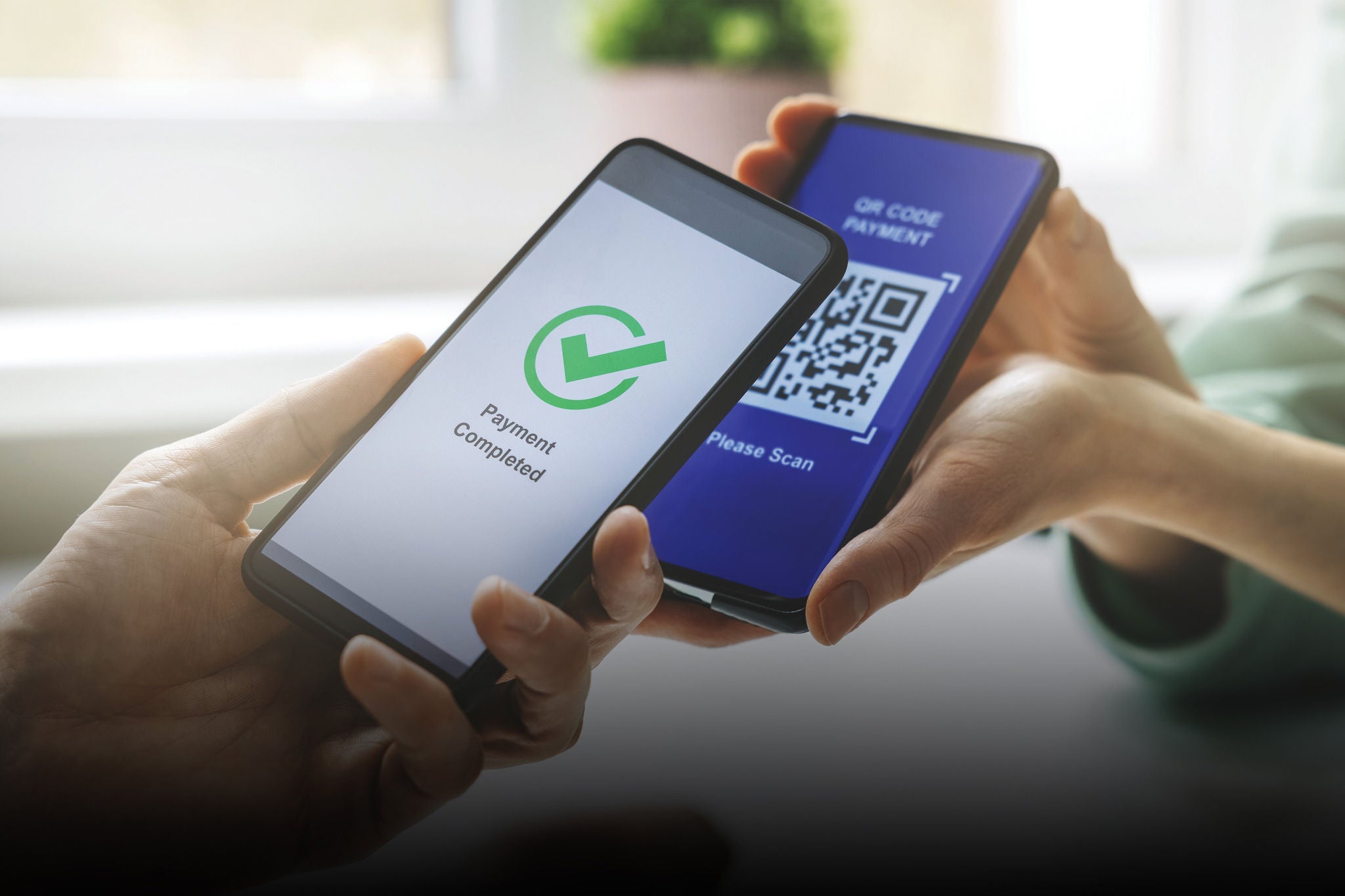
Another important habit is verifying payment details before completing a transaction. Fraudsters may use similar-looking names, altered QR codes, or misleading payment requests. Checking the recipient’s details and transaction amount before entering a PIN can prevent avoidable mistakes.
Best Practices for Safer Online Transactions
Users can make their digital payment activities safer by following a few consistent practices. The objective is not to avoid digital transactions but to understand how to use them responsibly.
| Security Practice | How It Helps | Recommended Action |
|---|---|---|
| Strong passwords | Reduces unauthorized account access | Use unique passwords |
| Multi-factor authentication | Adds additional verification | Enable supported security options |
| Software updates | Fixes known vulnerabilities | Update applications regularly |
| Transaction alerts | Identifies unfamiliar activity | Activate banking notifications |
| Secure networks | Reduces communication risks | Avoid sensitive transactions on public Wi-Fi |
| Payment verification | Prevents incorrect transfers | Check recipient details carefully |
These practices are useful for individuals who regularly use mobile wallets, banking applications, and online shopping platforms. Their effectiveness increases when users follow them consistently rather than treating security as an occasional activity.
The Role of Artificial Intelligence in Payment Fraud Detection
Artificial intelligence is increasingly important in modern financial security systems. Banks and payment providers process large volumes of transactions every day, making manual examination of every payment impractical. AI-powered systems can analyze transaction patterns and identify activities that appear unusual compared with a customer’s typical behavior.
For example, if an account normally makes small purchases within one region but suddenly attempts several high-value transactions from unfamiliar locations, automated monitoring systems may identify the activity as potentially suspicious. Depending on the provider’s security policies, the transaction may receive additional verification or be temporarily restricted for investigation.
Machine learning can also help financial institutions identify emerging fraud patterns. By analyzing historical transaction information, these systems can improve their ability to distinguish ordinary customer activity from potentially fraudulent behavior. However, automated systems are not perfect. They can generate false alerts or fail to recognize certain sophisticated attacks, which is why human oversight and effective reporting procedures remain important.
The growing relationship between artificial intelligence and financial protection also highlights the importance of technology education. Readers exploring digital security through apkprotech.com can benefit from understanding how emerging technologies influence online transactions and the broader financial ecosystem.
How Businesses Can Strengthen Digital Payment Security
Payment security is not only an individual responsibility. Businesses that accept online payments must also protect customer information and maintain reliable transaction systems. A security incident can damage customer confidence, interrupt operations, and create financial or regulatory consequences.
Companies should select reputable payment service providers that offer appropriate security features. They should also ensure that their websites and applications use secure communication protocols and that access to payment-related systems is restricted to authorized employees. Regular security assessments can help identify weaknesses before criminals exploit them.
Employee awareness is equally important. Staff members who handle customer information should understand phishing, password security, suspicious attachments, and social engineering. Businesses should establish clear procedures for responding to unusual transactions and suspected data breaches.
Organizations that store, process, or transmit cardholder information must also consider applicable payment security requirements, including the Payment Card Industry Data Security Standard (PCI DSS). Compliance depends on the business’s role and payment environment, but maintaining appropriate safeguards is essential for organizations involved in card payments.
UPI and Mobile Wallet Security in India
India’s digital payment ecosystem has expanded rapidly, with UPI becoming an important method for everyday money transfers. Its simple interface allows users to make payments through supported banking and payment applications without repeatedly entering traditional bank account information.
However, the simplicity of UPI can sometimes encourage users to approve requests without carefully examining them. One common misunderstanding involves receiving money. A person does not normally need to enter a UPI PIN simply to receive an ordinary payment. If an unexpected collect request appears, users should carefully check its purpose before approving it.

Mobile wallet users should also protect their registered devices. Setting a strong screen lock, avoiding unauthorized application installations, and reviewing application permissions can help reduce exposure to malicious activity. If a phone is lost or stolen, contacting the relevant bank or payment provider promptly can help secure associated accounts.
Digital payment security discussions on apkprotech.com are particularly relevant to users who want to understand how mobile technology, financial applications, and responsible online behavior work together in everyday situations.
What to Do If You Become a Victim of Digital Payment Fraud
Even careful users can occasionally encounter financial fraud. When an unauthorized transaction occurs, responding quickly can improve the chances of limiting further damage. The first step is to contact the bank or payment provider through its official customer support channels and report the suspicious activity. Users should request appropriate account or payment restrictions if they believe their credentials have been compromised.
In India, victims of financial cybercrime can report incidents through the National Cyber Crime Reporting Portal or by calling the national cybercrime helpline at 1930. Reporting quickly is particularly important because authorities and financial institutions may have a limited opportunity to investigate and potentially prevent the movement of fraudulent funds.
Users should preserve transaction IDs, timestamps, relevant messages, screenshots, and complaint reference numbers. These records can help investigators understand what happened. Changing compromised passwords, securing registered devices, and reviewing recent account activity are also important steps.
Most importantly, victims should avoid sharing additional personal information with anyone claiming to guarantee an immediate refund. Fraudsters sometimes target people who have already experienced financial losses by offering fake recovery services.
The Future of Digital Payment Security
The future of payment protection will likely involve more advanced authentication, improved fraud detection, stronger encryption, and greater use of automated security systems. Biometric verification may become more common, allowing supported devices and applications to confirm user identity through fingerprints or facial recognition.
Another emerging area is behavioral analysis. Instead of depending exclusively on passwords and PINs, certain systems can examine patterns such as device usage, transaction habits, and other signals to identify suspicious activity. When implemented responsibly, these methods can help financial institutions identify potential threats without unnecessarily interrupting legitimate transactions.
At the same time, privacy and data protection will remain important considerations. Financial organizations must balance effective fraud prevention with responsible information handling. Users should also understand what information an application collects and whether its privacy practices are appropriate.
Technology alone cannot guarantee complete protection. As payment systems become more advanced, criminals will continue searching for new vulnerabilities. Regular updates, transparent security practices, and public awareness will therefore remain essential parts of a safer digital financial environment.
Conclusion
Digital payment security has become a fundamental requirement in an increasingly connected financial world. Online banking, UPI transfers, mobile wallets, and digital shopping provide valuable convenience, but they also require users to understand potential risks. Encryption, tokenization, multi-factor authentication, and AI-powered fraud detection offer important layers of protection, while strong passwords, secure devices, and careful transaction verification help individuals avoid common mistakes.
Businesses must also invest in secure payment infrastructure, employee training, and responsible customer data management. Meanwhile, individuals should remain alert to phishing messages, fake payment requests, suspicious applications, and unexpected authentication requests.
As digital transactions continue to develop, awareness will remain one of the most effective tools against financial fraud. Technology-focused discussions through apkprotech.com can encourage readers to explore digital protection, understand emerging security practices, and develop better online habits. Ultimately, safer online transactions depend on combining reliable technology with informed decisions and consistent security awareness.