
Smartphone photography has evolved significantly as artificial intelligence becomes an important part of modern mobile technology. A few years ago, capturing professional-looking photographs required expensive cameras, specialized lenses, and considerable technical knowledge. Today, smartphones offer advanced camera systems that combine powerful sensors, intelligent software, and computational photography to deliver impressive results. Whether someone is capturing a family gathering, photographing a beautiful landscape, or creating content for social media, modern smartphone cameras make the process easier and more accessible.
Artificial intelligence has changed the way mobile cameras understand and process images. Instead of simply recording what appears in front of the lens, AI-powered systems can recognize objects, analyze lighting conditions, identify faces, and automatically adjust different image settings. These capabilities help users capture clearer photographs in challenging environments without manually changing complicated camera controls. The growing technology landscape discussed through apkprotech.com reflects how software innovation is influencing everyday photography and improving the overall smartphone experience.
The introduction of generative AI and advanced image-processing technologies has expanded these possibilities even further. Users can now remove unwanted objects, improve image quality, adjust backgrounds, and experiment with creative editing tools directly from their smartphones. As manufacturers continue developing intelligent camera features, smartphone photography is becoming more convenient, versatile, and creative.
Understanding Artificial Intelligence in Smartphone Photography
Artificial intelligence in smartphone photography refers to intelligent software that analyzes visual information and improves photographs through automated processing. These systems use machine learning models trained to recognize different subjects, environments, lighting conditions, and image characteristics. Based on their analysis, smartphones can automatically optimize exposure, contrast, sharpness, color balance, and other photographic elements.
For example, when someone points a smartphone camera toward a mountain landscape, its AI system may identify the sky, vegetation, distant objects, and natural lighting. It can then adjust the image to create a balanced appearance. Similarly, when photographing a person, the camera may recognize facial features and prioritize accurate exposure and natural skin tones. These adjustments reduce the need for manual editing and make photography easier for beginners.
Another important development is computational photography, which combines multiple images and intelligent algorithms to produce better results. Instead of depending entirely on one photograph, some smartphone cameras capture several frames and combine useful information from them. This approach improves image details, controls highlights, and reduces unwanted noise.
Technology discussions surrounding apkprotech.com highlight the importance of intelligent software in modern mobile devices. As smartphone processors become more powerful, manufacturers can introduce increasingly sophisticated AI features that improve both photography performance and editing convenience.
How AI Improves Smartphone Camera Performance
Smartphone camera quality depends on several factors, including sensor size, lens quality, image stabilization, processing power, and software optimization. Artificial intelligence helps bring these elements together by analyzing images and making adjustments according to the surrounding conditions. This allows cameras to respond more effectively to different photographic situations.
One major improvement is automatic scene detection. AI-powered cameras can recognize landscapes, food, buildings, animals, flowers, and human subjects. Once the camera identifies the scene, it can select appropriate settings to improve the final image. For instance, food photography may benefit from enhanced color and contrast, while landscape photography requires balanced highlights and detailed textures.
Noise reduction is another important capability. Photographs captured in low-light environments sometimes contain unwanted grain that reduces image quality. AI algorithms can identify these patterns and attempt to remove them while preserving important details. Advanced systems may also improve sharpness and recover visual information from multiple frames.
Modern smartphone cameras can also improve autofocus performance through subject recognition. Some devices identify people, pets, and moving objects to maintain focus more accurately. This is particularly useful when photographing children, animals, sporting activities, or other subjects that do not remain stationary.
AI-Powered Night Photography and Low-Light Improvements
Capturing photographs at night has traditionally been difficult for smartphone users. Limited lighting can produce dark images, inaccurate colors, visible noise, and motion blur. Although smartphone camera hardware has improved, low-light photography still requires careful processing to produce detailed and balanced results.
AI-powered night modes address these challenges through multi-frame processing and intelligent exposure adjustments. When night mode is activated, the camera may capture multiple images using different exposure levels. The software then analyzes these frames and combines useful information to create a brighter photograph. It can preserve illuminated areas while recovering details from darker sections of the scene.
For example, someone photographing a city skyline at night may want to capture both illuminated buildings and darker surroundings. Intelligent processing helps balance these contrasting areas without making the entire photograph appear excessively bright. Similar improvements are useful when capturing evening celebrations, restaurant interiors, street photography, and nighttime travel scenes.
However, users should understand that AI cannot overcome every physical limitation of a camera sensor. Fast-moving subjects may still appear blurred, particularly when lighting is extremely poor. Keeping the smartphone steady and avoiding unnecessary movement can help achieve better results.
AI Portrait Photography and Intelligent Subject Recognition
Portrait photography has become one of the most popular smartphone camera features. Artificial intelligence makes this experience more advanced by identifying human subjects, recognizing facial features, and separating foreground objects from the background. These capabilities allow smartphones to produce attractive portraits with simulated depth effects.
One of the most recognizable features is AI-based background blur. The camera identifies the main subject and creates a softer background to make the person stand out. This effect is commonly associated with professional photography, where specialized lenses create a shallow depth of field. Smartphone portrait modes use software and depth information to produce a similar visual appearance.

AI can also improve facial exposure by identifying areas that need brightness or shadow adjustments. Some camera applications provide intelligent skin-tone optimization, helping photographs maintain a balanced appearance under different lighting conditions. These adjustments can be particularly useful when taking portraits indoors or in environments with uneven illumination.
Nevertheless, excessive processing can reduce authenticity. Strong skin smoothing, artificial facial adjustments, and inaccurate background separation may make photographs look unnatural. The best portrait systems prioritize subtle improvements while maintaining the original characteristics of the subject.
Generative AI and Advanced Smartphone Photo Editing
Generative artificial intelligence is introducing new possibilities for smartphone photography by allowing users to modify images in ways that were previously difficult without professional editing software. Traditional editing applications focused mainly on brightness, contrast, cropping, filters, and color correction. Modern AI tools can understand image content and perform more complex editing operations.
Object removal is one of the most practical examples. Imagine taking a photograph of a famous tourist attraction and discovering that an unwanted object appears in the background. AI-powered editing tools can analyze the surrounding area and generate replacement content to fill the selected space. This helps users improve their compositions without manually reconstructing the background.
Image expansion is another developing feature. Sometimes photographs do not contain enough surrounding space to fit a particular format. Generative AI can extend image boundaries by creating additional visual content that attempts to match the original background. This is useful when preparing photographs for different social media platforms.
Other intelligent editing capabilities include background replacement, reflection removal, automatic enhancement, and unwanted shadow correction. These features make creative editing more accessible to people who have limited experience with professional software.
The innovations discussed through apkprotech.com demonstrate how AI is expanding smartphone photography beyond the traditional process of capturing images. Users can now combine photography and intelligent editing to produce creative visual content using a single device.
Important AI Features Transforming Mobile Photography
Modern smartphone manufacturers are introducing several intelligent camera technologies to improve image quality and simplify the photography experience. Although specific features depend on the device and software version, some capabilities are becoming increasingly common.
Automatic Scene Recognition
Scene recognition allows smartphone cameras to identify different environments and photographic subjects. AI analyzes the image and automatically adjusts settings according to the scene. This can help improve photographs of food, landscapes, animals, buildings, and people.
Smart HDR Technology
High Dynamic Range technology combines information from different exposure levels to preserve details in bright and dark areas. AI can identify important subjects and help balance the final photograph, particularly when the background contains strong sunlight or contrasting shadows.
Intelligent Image Stabilization
Image stabilization reduces the effects of unwanted camera movement. Optical stabilization uses physical camera components, while electronic stabilization relies on software. AI-supported processing can analyze movement and help improve image and video stability.
Automatic Composition Assistance
Some camera applications provide intelligent framing suggestions and subject-positioning assistance. These features help users create more balanced compositions without requiring extensive photography experience.
AI-Based Photo Organization
Artificial intelligence can also improve the way photographs are organized. Gallery applications may recognize faces, locations, animals, objects, and other visual categories, allowing users to search through large collections more efficiently.
Comparison Between Traditional and AI-Powered Smartphone Photography
Traditional smartphone photography relies more heavily on conventional image processing and manual adjustments. AI-powered systems introduce intelligent image analysis, making it possible for cameras to adapt automatically to different conditions.
| Photography Feature | Traditional Photography | AI-Powered Photography |
|---|---|---|
| Scene detection | Basic recognition | Intelligent scene analysis |
| Night photography | Standard exposure control | Advanced multi-frame processing |
| Portrait effects | Basic background blur | Intelligent subject separation |
| Image editing | Manual adjustments | Automated and generative tools |
| Color correction | General color profiles | Scene-aware optimization |
| Noise reduction | Conventional processing | AI-assisted detail preservation |
| Photo organization | Manual categorization | Intelligent image recognition |
This comparison shows how artificial intelligence is improving the smartphone photography experience. However, traditional photography techniques remain important because composition, lighting, and creative decisions still influence the quality of the final image.
Benefits of AI Photography for Content Creators and Businesses
Artificial intelligence is making smartphone photography increasingly valuable for content creators, entrepreneurs, and small businesses. Producing attractive visual content was once associated with expensive equipment and professional editing services. Modern smartphones reduce these barriers by combining capable cameras with intelligent software.
Social media creators can use AI photography features to produce portraits, travel photographs, product images, and promotional content. Automatic enhancements make it easier to maintain consistent visual quality, while advanced editing tools help improve photographs before publication. This is particularly useful for creators who regularly produce content for multiple platforms.
Small businesses can also benefit from intelligent smartphone cameras. Online sellers need clear product photographs to communicate product details and attract potential customers. Restaurants can capture appealing food images, while service providers can create promotional photographs without investing in expensive photography equipment.
AI-powered editing can also reduce the time required to prepare visual materials. Instead of manually adjusting every photograph, users can apply automatic corrections and review the results. This improves productivity while allowing businesses to focus on other important activities.
The growing interest in apkprotech.com reflects a wider shift toward accessible digital tools that help individuals and organizations use technology more effectively. Smartphone photography is becoming an important part of modern online communication and digital marketing.
Practical Tips for Getting Better Results with AI Smartphone Cameras
Although AI automatically handles many camera adjustments, users can improve their photographs by following a few basic photography principles. Good lighting, stable positioning, and thoughtful composition remain essential even when intelligent software is available.
Lighting should be considered before capturing an image. Natural daylight generally provides balanced illumination for portraits, landscapes, and product photographs. Users should also avoid placing their subjects directly against extremely bright backgrounds unless they intentionally want a silhouette effect.
Keeping the camera lens clean is another simple but important practice. Dust, fingerprints, and smudges can reduce clarity and create unwanted light reflections. Similarly, using the camera grid can help users position subjects and maintain balanced compositions.
Some useful practices include:
-
Clean the camera lens before taking important photographs.
-
Use natural light whenever possible.
-
Keep the smartphone steady during night photography.
-
Experiment with different camera modes.
-
Avoid excessive filters and artificial enhancements.
Users should also review AI-edited photographs carefully. Automatic adjustments do not always produce the most natural result. Making small corrections when necessary can preserve realistic colors, textures, and facial details.
Privacy and Security Considerations in AI Photography
The growing use of artificial intelligence in photography also creates important privacy considerations. Modern camera applications may use facial recognition, location information, cloud processing, and intelligent image analysis. Depending on the device and application, photographs may be processed directly on the smartphone or transferred to remote servers.
Users should understand how their photography applications collect, process, and store personal information. Reviewing privacy policies and application permissions can help identify unnecessary access to personal data. For example, a basic editing application may not require continuous access to location information.
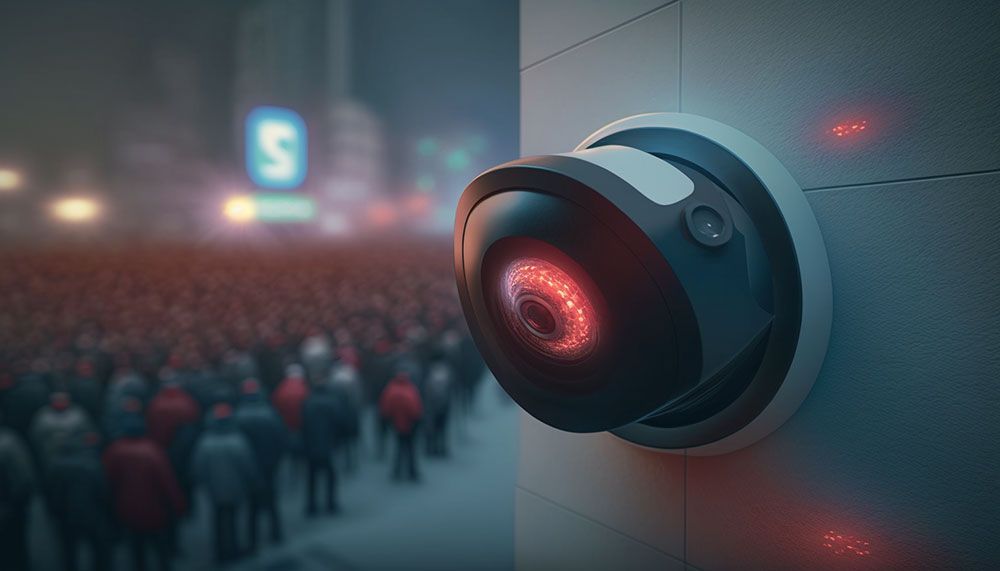
Facial recognition deserves particular attention because facial information can be sensitive. Users should understand whether their photographs are stored locally or processed through external services. Choosing applications with clear privacy controls can reduce unnecessary exposure.
There are also ethical questions surrounding generative editing. Removing an unwanted object from a personal photograph may be harmless, but changing documentary images can create misleading impressions. This is especially important in journalism, education, advertising, and professional communication.
AI-edited photographs should therefore be used responsibly. Transparency about significant modifications helps maintain trust and prevents audiences from confusing generated visual content with an unaltered photograph.
Future Trends in AI-Powered Smartphone Photography
The future of smartphone photography will likely involve closer integration between artificial intelligence, camera sensors, and mobile processors. As on-device AI technology becomes more powerful, smartphones may perform increasingly complex image analysis without requiring constant internet connectivity.
One emerging direction is personalized camera processing. Future systems may adapt to individual photography preferences, such as warmer colors, natural skin tones, higher contrast, or softer backgrounds. This could make camera experiences more consistent while reducing the need for repeated manual adjustments.
Real-time computational photography is another promising development. Instead of processing images only after they are captured, intelligent systems may continuously analyze lighting, movement, and subject information to improve the camera preview and final photograph.
Video capabilities are also expected to benefit from AI improvements. Automatic subject tracking, intelligent stabilization, background enhancement, and improved low-light recording can make smartphones more useful for vloggers, independent filmmakers, and social media creators.
Augmented reality may introduce additional creative opportunities. Users could preview virtual environments, experiment with lighting effects, and explore different compositions before capturing an image. These features could make mobile photography more interactive.
As discussed through apkprotech.com, the development of intelligent mobile technology is creating new possibilities for digital creativity. However, future innovations will need to balance image quality, processing efficiency, privacy, and authenticity.
Choosing the Right Smartphone for AI Photography
Selecting a smartphone for photography requires more than comparing megapixel numbers. Camera sensors, lens quality, image processing, stabilization, and software support all influence the final result. A smartphone with a well-optimized camera system can produce better photographs than a device with impressive specifications but poorly developed image processing.
Low-light performance should be one of the main considerations when comparing smartphones. Users should also examine autofocus reliability, portrait quality, video stabilization, and the availability of useful editing features. These capabilities determine how effectively a device performs in everyday photography situations.
The processor is equally important because advanced AI features require considerable computing power. A capable chipset can support faster image processing and more responsive camera functions. However, the availability of particular AI features may vary depending on the smartphone model, operating system, and region.
Long-term software support is another factor worth considering. Regular updates can introduce camera improvements, security enhancements, and additional editing capabilities. Choosing a smartphone with reliable hardware and continued software support can provide better long-term value.
Conclusion
AI-powered smartphone photography is changing how people capture, edit, and share photographs. Intelligent scene recognition, advanced night modes, portrait enhancement, computational photography, and generative editing are making sophisticated photographic features accessible to everyday users. These developments are also creating new opportunities for content creators, online businesses, and individuals who depend on visual communication.
Although artificial intelligence can automate many technical processes, creative decisions remain important. Good lighting, balanced composition, realistic editing, and responsible technology use continue to influence photographic quality. AI works best when it supports human creativity rather than replacing it.
The innovations associated with apkprotech.com represent the wider movement toward smarter smartphone technology and more accessible digital experiences. As camera hardware and intelligent software continue to improve, smartphones will become increasingly capable photography tools. The future of mobile photography will ultimately depend on combining technological innovation with creativity, authenticity, and user privacy.