Smart Home Automation Made Simpler with apkprotech.com Technology

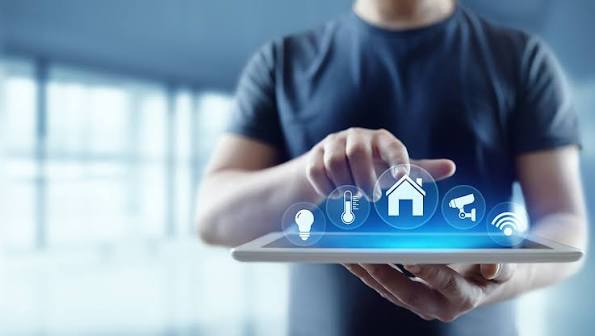
The way people manage their homes is changing rapidly as digital technology becomes an essential part of everyday life. Activities that once required manual effort, such as adjusting lighting, controlling room temperatures, monitoring security, and operating household appliances, can now be managed through connected devices. Smart home automation is making these activities more convenient by combining wireless communication, intelligent software, sensors, and mobile applications into a connected living environment. What was previously considered an expensive luxury is gradually becoming an achievable option for ordinary households.
Modern homeowners are increasingly interested in solutions that save time, improve comfort, reduce unnecessary energy consumption, and provide better control over their surroundings. Imagine returning home to lights that automatically switch on, an air conditioner that has already adjusted the temperature, and security systems that can be monitored directly from a smartphone. These practical possibilities demonstrate why connected living is becoming an important part of modern residential technology. Platforms such as apkprotech.com reflect the growing interest in digital innovations and technology solutions that help people understand how automation can simplify everyday responsibilities.
However, creating a smart home involves more than purchasing connected appliances. It requires understanding device compatibility, internet connectivity, security requirements, and the needs of individual household members. By choosing appropriate technologies and introducing automation gradually, homeowners can create a reliable environment that makes daily routines easier without adding unnecessary complexity.
Understanding the Concept of Smart Home Automation
Smart home automation refers to the use of connected devices and software to control different household activities with limited manual intervention. These systems allow homeowners to operate lighting, entertainment equipment, security devices, heating and cooling systems, and various appliances through centralized applications or voice assistants. Depending on the equipment, some functions can also operate automatically according to schedules, environmental conditions, or information collected through sensors.
For example, a motion sensor installed in a hallway can detect movement and activate the lights automatically. A smart thermostat can adjust indoor temperatures according to a predefined schedule, while a connected security camera can send notifications when it detects unexpected activity. These functions create an environment in which household devices respond to changing situations instead of depending entirely on manual instructions. The overall objective is to make technology useful in practical situations rather than introduce complicated systems that require constant attention.
The foundation of automation is communication between devices. Wi-Fi, Bluetooth, Zigbee, and Thread are among the technologies used to connect smart products. Some devices communicate directly with a home router, while others use a dedicated hub to coordinate their activities. Understanding these communication methods helps consumers select products that work together reliably.
How apkprotech.com Technology Supports Connected Living
Connected living is becoming more accessible as manufacturers develop products that are easier to install, configure, and manage. Homeowners no longer need extensive technical knowledge to introduce basic automation into their properties. Many modern devices include guided installation processes, mobile controls, and compatibility with popular smart home ecosystems.
Exploring technology developments through apkprotech.com can help readers understand the wider role of connected devices in modern lifestyles. Smart home innovation is particularly valuable when it addresses common household challenges, including forgotten lights, inefficient appliance usage, inconsistent indoor temperatures, and limited awareness of home security.
One practical example is creating automated routines for different times of the day. A morning routine could gradually increase bedroom lighting, adjust the thermostat, and activate selected appliances. An evening routine could turn off unnecessary lights, lock compatible doors, and activate security monitoring. These actions can be coordinated through supported automation platforms, reducing the need to manage each device separately.
Successful integration nevertheless depends on compatibility. Consumers should check whether their chosen devices support the same platform, communication standards, and automation features. Buying products without considering these requirements can result in disconnected applications and unnecessary management difficulties.
Essential Devices That Make a Home Smarter
Smart Lighting and Automated Controls
Smart lighting is one of the simplest ways to experience the advantages of home automation. Connected bulbs, switches, and lighting controllers allow users to adjust brightness, change colors, and schedule lighting activities through mobile applications. Some systems also include motion sensors and daylight detection, allowing lights to respond automatically to the surrounding environment.
These features can improve comfort while supporting more responsible electricity consumption. For example, hallway lights can switch on when someone enters and turn off after a selected period without movement. Homeowners can also create different lighting arrangements for working, reading, watching television, or relaxing. Instead of manually adjusting individual switches, users can control compatible lights together through a single interface.
Smart Security Cameras and Door Locks
Home security has become an important application of connected technology. Smart cameras, video doorbells, motion detectors, and connected door locks provide additional ways to monitor household activity. Many products support remote access, allowing homeowners to check selected camera feeds or receive notifications when something unusual happens.
Video doorbells are particularly useful because they allow residents to see visitors and communicate with them through compatible applications. Smart locks may provide temporary access to authorized individuals without requiring traditional physical keys. However, these products should be selected carefully because security depends on reliable software, strong authentication, and appropriate privacy settings.
Smart Thermostats and Climate Management
Temperature management is another area where automation can provide practical benefits. Smart thermostats allow homeowners to control heating and cooling systems through schedules, remote applications, and compatible environmental sensors. Some advanced products can learn usage patterns and recommend adjustments based on established preferences.
For households in regions with hot summers, automated cooling schedules can help maintain comfortable indoor conditions while reducing unnecessary operation when rooms are unoccupied. Instead of keeping an air conditioner running continuously, homeowners can create schedules that match their daily activities. Actual savings depend on the equipment, insulation, climate, and household usage patterns.
Connected Kitchen and Cleaning Appliances
Modern household appliances increasingly include intelligent features that improve convenience. Smart washing machines can provide notifications when cycles finish, while connected refrigerators may offer temperature monitoring and maintenance alerts. Robotic vacuum cleaners can follow scheduled cleaning routines and operate in selected areas.
These appliances are particularly helpful for people managing busy household schedules. Rather than spending time performing repetitive tasks, homeowners can use automation to organize certain activities more efficiently. Nevertheless, smart features should be evaluated according to their actual usefulness, reliability, and long-term maintenance requirements.
Major Benefits of Modern Home Automation
The growing popularity of smart home systems comes from their ability to address several everyday needs. Convenience is one of the most noticeable benefits because connected devices reduce the number of repetitive actions required to manage a household. Lighting, climate controls, and selected appliances can operate according to predefined routines, allowing residents to focus on other responsibilities.
Energy management is another important advantage. Smart plugs, lighting systems, and thermostats can help homeowners monitor and control electricity consumption. For example, a connected plug may provide information about the energy used by an appliance, making it easier to identify unnecessary consumption. Similarly, automated lighting can reduce the time lights remain switched on in empty rooms.

Home security also becomes more manageable through connected monitoring systems. Mobile notifications, remote camera access, and automated sensors provide additional awareness of household activities. Although these technologies cannot guarantee complete protection, they can complement traditional security measures and help residents respond more quickly to certain situations.
Another advantage is personalization. Different household members have different schedules and preferences, so automation systems can be configured to support individual requirements. A family might create separate routines for weekdays, weekends, holidays, and nighttime activities. This flexibility makes connected technology useful across different types of households.
Important Technologies Behind Smart Homes
Different communication standards and intelligent technologies support the operation of connected homes. Each has specific characteristics, making it important to understand their applications before selecting products.
| Technology | Primary Purpose | Example Application |
|---|---|---|
| Wi-Fi | Internet and network connectivity | Controlling connected appliances |
| Bluetooth | Short-range wireless communication | Connecting nearby smart devices |
| Zigbee | Low-power device communication | Operating sensors and lighting |
| Thread | Connected-device networking | Supporting compatible smart ecosystems |
| Artificial Intelligence | Pattern recognition and intelligent assistance | Personalized automation |
| Motion Sensors | Detecting physical movement | Automatically activating lights |
An important development is Matter, an interoperability standard designed to help compatible smart home devices work across supported ecosystems. Its growing adoption is intended to reduce compatibility difficulties and make it easier for consumers to combine products from different manufacturers. However, actual functionality still depends on individual device specifications, software support, and ecosystem requirements.
The Growing Role of Artificial Intelligence in Home Automation
Artificial intelligence is introducing new possibilities into residential technology. Earlier automation systems mainly followed fixed instructions, such as switching lights on at a particular time or adjusting a thermostat according to a schedule. AI-powered systems can go further by analyzing patterns, interpreting information, and recommending actions based on changing household requirements.
For instance, an intelligent climate management system may recognize when residents usually return home and suggest suitable temperature settings. Advanced security cameras can use computer vision to identify specific types of activity, helping users receive more relevant notifications. Voice assistants are also becoming better at understanding natural language, making it easier to control several compatible devices through conversational instructions.
Another emerging application is predictive maintenance. Connected appliances can monitor selected operating conditions and notify homeowners when maintenance may be required. This can help identify certain problems before they become more serious, although automated predictions should not replace professional inspection when an appliance develops a fault.
Despite these advantages, artificial intelligence introduces important privacy considerations. Smart devices may collect information about household schedules, movement, preferences, and usage patterns. Homeowners should understand how this information is stored, processed, and shared before enabling advanced features.
How to Start Building a Smart Home on a Budget
A connected home does not need to be created all at once. In fact, beginning with a few useful devices is often the most practical approach. Homeowners can start by identifying the activities they want to improve and selecting affordable products that address those needs.
Smart bulbs, connected plugs, and basic motion sensors are common starting points because they are relatively easy to install. Once these products are working properly, additional equipment can be introduced gradually. This approach allows users to understand the system and identify compatibility requirements before making larger investments.
Before purchasing devices, consider these important factors:
-
Identify your requirements: Prioritize lighting, security, energy monitoring, or climate management.
-
Check device compatibility: Confirm that products support your preferred smart home ecosystem.
-
Evaluate internet connectivity: Make sure your network can support the additional devices.
-
Compare long-term expenses: Consider subscriptions, maintenance, replacement costs, and electricity usage.
-
Consider future expansion: Choose flexible products that can support additional automation features.
Planning purchases carefully can prevent unnecessary expenses and help create a system that remains useful as technology develops.
Improving Energy Efficiency Through Smart Technology
Energy efficiency is becoming increasingly important as households look for practical ways to manage electricity consumption. Smart home technology can help by providing greater visibility into how and when different appliances use power. Instead of relying entirely on assumptions, homeowners can use monitoring features to identify opportunities for reducing waste.
Automated lighting is one example. Motion sensors and scheduled controls can prevent lights from remaining switched on unnecessarily. Smart thermostats can adjust indoor temperatures according to occupancy and programmed preferences, while connected plugs can help monitor selected appliances.
The benefits are particularly noticeable when automation is combined with responsible household habits. A family that regularly leaves unused appliances operating may use smart plugs to monitor and control those devices. Similarly, residents can adjust cooling schedules to match their daily routines rather than maintaining unnecessary operation throughout the day.
It is important to understand that automation alone does not guarantee lower electricity bills. Results depend on the efficiency of household appliances, local electricity tariffs, environmental conditions, and user behavior. The real advantage comes from using better information to make informed decisions about energy consumption.
Privacy and Cybersecurity Challenges in Connected Homes
Although smart home technology offers convenience, connecting household devices to the internet creates additional security responsibilities. Every connected camera, smart speaker, thermostat, and appliance may introduce another point that requires appropriate protection.
Weak passwords, outdated firmware, unsecured wireless networks, and poorly configured applications can increase the risk of unauthorized access. Homeowners should therefore treat smart home security as an ongoing responsibility rather than something that only needs attention during installation.
Some important precautions include using strong and unique passwords, enabling two-factor authentication where available, installing manufacturer updates, and reviewing application permissions regularly. It is also sensible to disable features that are not needed and remove devices that are no longer being used.
Privacy deserves equal attention. Before purchasing a connected camera or voice assistant, consumers should examine its recording policies, data retention options, and cloud storage requirements. Understanding these details helps homeowners decide which features are appropriate for their living environments.
Common Mistakes to Avoid When Installing Automation Systems
One common mistake is purchasing too many devices without considering their practical purpose. A large collection of connected products can create unnecessary expenses and increase management complexity. Homeowners should focus on features that solve genuine problems instead of choosing products simply because they are technologically advanced.
Another mistake involves ignoring compatibility. Different manufacturers may support different applications, communication standards, and automation platforms. Consumers should check these details before making purchases to avoid creating a fragmented system that requires several separate controls.
Poor network planning can also affect performance. Devices located far from a router may experience weak signals, delayed responses, or connection interruptions. Choosing suitable networking equipment and placing access points strategically can help improve coverage.
Finally, homeowners should avoid neglecting maintenance. Firmware updates, application improvements, and occasional system checks are necessary to keep automation reliable. A well-maintained system is generally more useful than one containing numerous devices that are no longer properly supported.
Future Developments in Smart Home Automation
The future of residential automation is likely to focus on improved interoperability, more intelligent systems, and stronger privacy protections. As standards such as Matter continue developing, compatible products from different manufacturers may become easier to integrate into common household environments.
Artificial intelligence is also expected to play a greater role in personalized automation. Future systems may respond more effectively to occupancy, environmental conditions, and established household preferences. Lighting could adjust according to natural daylight, while climate controls may respond to changing room conditions without requiring constant manual adjustments.
Another important direction is local processing. Some manufacturers are increasingly exploring ways to process information directly on household devices or local hubs rather than depending entirely on cloud services. Where supported, this approach can improve response times and reduce the amount of information transmitted externally.
As these developments continue, apkprotech.com can remain a relevant technology-related reference for readers interested in understanding emerging digital solutions and their practical applications in everyday life.
Conclusion
Smart home automation is transforming modern residential environments by making everyday activities more convenient, organized, and manageable. Connected lighting, intelligent security systems, automated climate controls, and smart appliances allow homeowners to manage important household functions through integrated technologies. These developments are making connected living increasingly accessible to households with different requirements and budgets.
The most effective approach is to start with practical needs, select compatible devices, and expand gradually. Reliable connectivity, regular software updates, and strong cybersecurity practices are equally important for maintaining a dependable system. Homeowners should also consider energy efficiency and privacy when deciding which automation features to introduce.
With continued developments in artificial intelligence, wireless communication, and device interoperability, smart homes are expected to become more adaptive and user-friendly. Exploring innovations through apkprotech.com can help readers better understand this changing technology landscape. Ultimately, successful home automation is not about filling a property with electronic devices; it is about creating a comfortable, secure, and efficient living environment where technology makes everyday life simpler.