Passwordless Security: How apkprotech.com Discusses Better Online Privacy

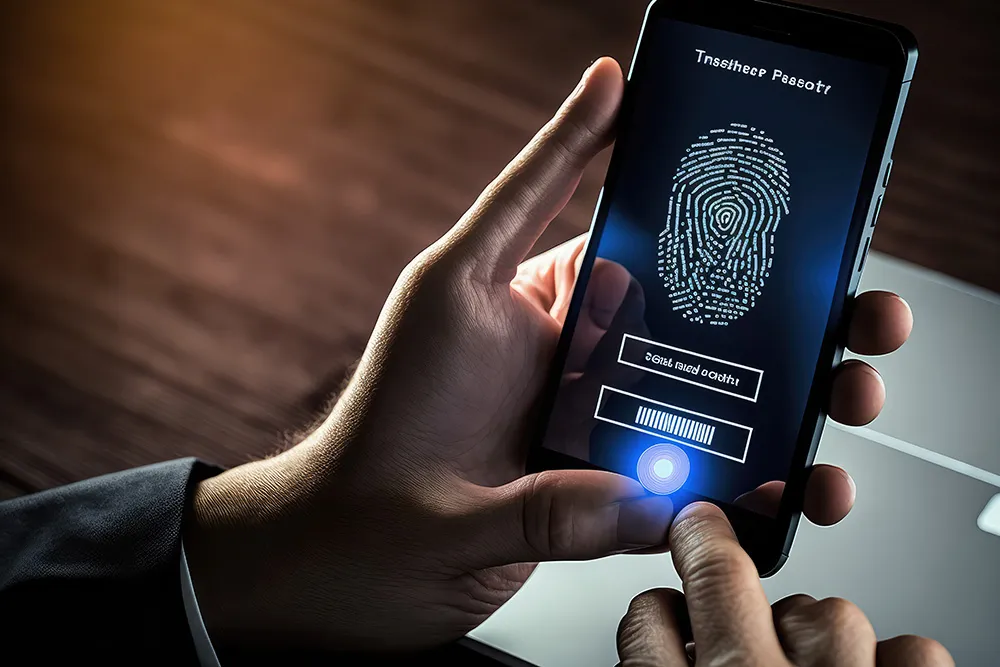
Online privacy has become one of the most important concerns in today’s digital environment. People use online accounts for banking, shopping, communication, education, entertainment, and professional activities. Almost every digital service requires some form of authentication to confirm a user’s identity. Traditionally, passwords have been the primary method of protecting these accounts. However, increasing cyber threats, phishing attacks, data breaches, and password theft have exposed the limitations of conventional password-based security. As cybercriminals develop more advanced techniques, individuals and businesses need authentication methods that offer stronger protection without making everyday technology difficult to use.
Passwordless security is emerging as an important development in digital authentication. Instead of depending entirely on passwords, this approach uses technologies such as passkeys, biometric verification, security keys, and trusted devices to confirm identity. These methods can make unauthorized access more difficult while reducing the inconvenience associated with remembering multiple passwords. Discussions around digital protection, including topics covered by apkprotech.com, highlight why modern authentication methods deserve attention from everyday internet users. Understanding how passwordless systems work can help individuals make better decisions about account security and personal information.
The transition toward passwordless authentication is not simply about removing passwords from login screens. It represents a broader change in how digital identities are protected. Users need to understand the benefits, limitations, implementation methods, and privacy considerations associated with these technologies. By learning about these developments, individuals can improve their digital habits and become more confident when using online platforms.
What Is Passwordless Security?
Passwordless security refers to an authentication approach that allows users to access digital accounts without entering a traditional password. Instead of typing a combination of letters, numbers, and symbols, users verify their identity through another trusted method. This could involve facial recognition, fingerprint scanning, a physical security key, or approval through an already authenticated device. The purpose is to make account access more convenient while reducing common weaknesses associated with passwords.
Traditional authentication usually depends on something the user knows. Unfortunately, passwords can be guessed, stolen, reused, or exposed through compromised websites. Passwordless authentication introduces alternative verification factors that are often more difficult for attackers to reproduce. For example, a fingerprint is connected to a particular individual, while a cryptographic security key uses a secure authentication process rather than relying on a password that can be copied.
Modern passwordless systems frequently use public-key cryptography. During account registration, a device creates a pair of cryptographic keys. The private key remains securely stored on the user’s device or within an approved credential manager, while the public key is registered with the online service. When the user attempts to sign in, the service sends a challenge that the device must answer using the private key. This process verifies possession of the correct credential without transmitting a conventional password.
Why Traditional Passwords Are Becoming Less Reliable
Passwords have remained popular because they are relatively inexpensive and easy to implement. However, their effectiveness depends heavily on user behavior. Many people choose simple combinations because complicated passwords are difficult to remember. Others reuse the same password across several platforms, creating a serious security problem. If one website experiences a data breach, attackers may attempt to use the exposed credentials to access other accounts belonging to the same individual.
Phishing is another major weakness of traditional authentication. Cybercriminals create fake login pages that resemble legitimate websites and encourage users to enter their credentials. Once submitted, the information can be collected and used to compromise genuine accounts. Even users who understand basic cybersecurity practices can sometimes fall victim to convincing messages, fake websites, and fraudulent login requests.
Password managers and multifactor authentication can reduce these risks, but they do not completely eliminate every password-related problem. Passwordless technologies provide another approach by reducing dependence on shared secrets. As discussions on apkprotech.com emphasize through the broader topic of online privacy, protecting digital identities requires more than simply creating complicated passwords. It also involves selecting authentication methods that can resist modern attack techniques.
How Passkeys Improve Online Privacy
Passkeys are among the most important technologies supporting the passwordless movement. They are based on public-key cryptography and are designed to provide a secure alternative to traditional passwords. When a user creates a passkey for an online account, the authentication system generates cryptographic credentials that are connected to the service and the user’s approved device or credential manager.
One important advantage of passkeys is that the private credential is not shared with the website during authentication. The website verifies a cryptographic response using the corresponding public key. This reduces the possibility of attackers stealing a reusable password from a login database. It also helps protect users from many common phishing techniques because passkeys are associated with the legitimate website or application for which they were created.
Another useful feature is the ability to synchronize passkeys across trusted devices through supported credential-management services. This can make account recovery and device replacement easier. However, users should understand how their chosen provider manages synchronization, encryption, and account recovery. Strong authentication is most effective when the entire process, including device security and recovery arrangements, is carefully protected.
Different Types of Passwordless Authentication
Passwordless authentication includes several technologies that offer different levels of convenience and protection. Although they share the same general objective, their operation and security characteristics are not identical.
Biometric Authentication
Biometric authentication uses physical or behavioral characteristics to verify identity. Fingerprint recognition and facial recognition are two familiar examples. Many smartphones and laptops already include biometric sensors that allow users to unlock devices and approve authentication requests.
An important distinction is that biometric information should ideally remain protected within the device’s secure hardware. In passkey authentication, a fingerprint or facial scan can authorize the use of a cryptographic credential rather than sending the biometric information directly to the website. This approach combines convenient identity verification with cryptographic protection.
However, biometrics also have limitations. Sensors can occasionally fail, environmental conditions may affect recognition, and biometric information cannot be changed as easily as a password. Therefore, users should maintain secure alternative authentication and recovery methods.
Security Keys
Physical security keys are small devices that provide an additional way to authenticate online accounts. They connect through USB, NFC, or other supported technologies, depending on the model and device. Users generally need to possess the registered key to complete authentication.
These devices can provide strong protection against phishing when implemented through appropriate standards such as FIDO authentication. They are particularly useful for people managing sensitive professional accounts, business systems, or administrative access. However, losing a security key can create account-access difficulties if backup methods have not been configured.
Device-Based Authentication
Some passwordless systems use a trusted smartphone, tablet, or computer to approve login attempts. A user may receive an authentication request and confirm it through a secure prompt on the registered device. This process removes the need to enter a password while making access dependent on a previously trusted device.

Device-based authentication can be convenient for people who regularly use several online services. Nevertheless, devices should be protected with screen locks, operating system updates, and appropriate recovery settings. A passwordless system is only as reliable as the security of the devices and accounts supporting it.
Passwordless Authentication Methods Compared
Different authentication technologies serve different purposes. Understanding their characteristics can help users select a method that fits their privacy requirements and everyday needs.
| Authentication Method | Main Advantage | Important Consideration |
|---|---|---|
| Passkeys | Strong phishing resistance | Requires compatible services and devices |
| Fingerprint recognition | Convenient identity verification | Depends on secure device hardware |
| Facial recognition | Quick and accessible authentication | Performance depends on sensor quality |
| Physical security keys | Strong protection against phishing | Physical possession is necessary |
| Device approval | Convenient account access | Registered devices must remain secure |
| Authentication applications | Additional verification protection | Account recovery and device security matter |
No single authentication method is perfect for every situation. A person managing personal social media accounts may prefer passkeys synchronized across trusted devices, while an organization handling sensitive information may require physical security keys and additional access controls. The most appropriate solution depends on the sensitivity of the information, the available technology, and the user’s ability to manage recovery securely.
How Passwordless Security Protects Personal Information
Online privacy involves controlling how personal information is accessed, collected, and used. Authentication plays a central role because unauthorized account access can expose private conversations, financial information, photographs, documents, and other sensitive data. If attackers successfully compromise an account, they may use the information for identity theft, financial fraud, impersonation, or further cyberattacks.
Passwordless authentication can reduce several common opportunities for account compromise. Since passkeys do not require users to enter a reusable password into a website, traditional credential-stealing techniques become less effective. Properly implemented phishing-resistant authentication also makes it harder for attackers to trick users into approving access through fake login pages.
For example, imagine someone receives an email claiming that their online banking account requires immediate verification. The message directs them to a fraudulent website designed to look like the genuine banking platform. With traditional password authentication, the user might accidentally enter their credentials. A properly implemented passkey system checks the identity of the website during authentication, helping prevent the credential from being used on an impersonating domain.
The broader privacy discussion associated with apkprotech.com reflects an important principle: strong online protection requires reducing the opportunities available to cybercriminals. Authentication improvements can support this objective, although users must still pay attention to application permissions, privacy settings, software updates, and suspicious communication.
The Role of FIDO Standards in Modern Authentication
The development of passwordless technology is closely connected with the work of the FIDO Alliance and its authentication standards. FIDO technologies aim to reduce reliance on passwords through public-key cryptography and secure authentication protocols. WebAuthn and the FIDO2 framework provide important foundations for passwordless sign-in across supported browsers, operating systems, and online services.
These standards help create consistency between different technology providers. Instead of developing completely separate authentication systems, platforms can use established technical approaches to support secure login experiences. This is important because passwordless adoption depends on compatibility. Users need authentication methods that work across websites, applications, and personal devices.
Passkeys have helped make these standards more accessible to ordinary consumers. Major technology ecosystems support passkey functionality, although availability and synchronization features can vary. Organizations also need to consider accessibility, employee training, account recovery, and compatibility with older applications before moving away from traditional passwords.
Benefits of Passwordless Security for Individuals and Businesses
The advantages of passwordless authentication extend beyond making login procedures faster. It can also improve security management, reduce support requirements, and encourage better digital practices.
For individual users, the most noticeable benefit is convenience. People no longer need to remember a separate complex password for every supported service. This can reduce password reuse and simplify account access. Biometric verification and trusted-device authentication can also make routine sign-ins quicker.
Businesses may benefit from fewer password-reset requests and lower exposure to credential-based attacks. Employees frequently manage multiple professional accounts, and password-related problems can interrupt productivity. Passwordless authentication can simplify these processes while supporting stronger access policies.
Some important advantages include:
-
Reduced dependence on weak or reused passwords.
-
Better protection against many phishing attacks.
-
Faster authentication through supported devices.
-
Lower password-reset and credential-management workloads.
-
Improved support for modern identity-management systems.
However, these benefits depend on proper implementation. Businesses must establish clear authentication policies, monitor unusual access attempts, and provide secure recovery options. Individuals should also avoid assuming that passwordless technology automatically protects every part of their digital lives.
Challenges and Limitations of Passwordless Technology
Despite its advantages, passwordless authentication still faces several practical challenges. Compatibility is one of the most important. Not every website, application, or digital service supports passkeys or other passwordless methods. Users may therefore need to maintain traditional authentication for certain accounts while gradually adopting newer technologies elsewhere.
Account recovery is another important concern. People may lose their smartphones, replace their computers, forget access to their credential manager, or experience device failures. Without properly configured recovery options, accessing an account can become difficult. This is why backup devices, recovery codes, and trusted account-recovery procedures deserve attention during initial setup.
Privacy considerations also remain relevant. Biometric verification should be handled carefully, and users should understand whether their credentials are stored locally or synchronized through a third-party service. They should review the security and privacy practices of the providers they trust.
There is also a risk of social engineering. Cybercriminals may attempt to manipulate users into approving authentication requests, handing over devices, or revealing recovery information. Passwordless technology reduces certain technical vulnerabilities, but it cannot completely prevent deception or unauthorized physical access.
How to Adopt Passwordless Security Safely
Moving toward passwordless authentication does not require changing every account at once. A gradual approach allows users to understand the technology and identify the services that offer reliable support. Starting with important accounts, such as primary email, financial services, and cloud storage, can provide meaningful security improvements.
Before enabling passwordless authentication, users should check whether their operating system, browser, and account provider support passkeys or security keys. They should also make sure their devices have current security updates and strong screen-lock protection.
The following practices can make the transition safer:
-
Enable passkeys on important accounts whenever supported.
-
Protect smartphones and computers with secure screen locks.
-
Keep trusted backup and account-recovery methods available.
-
Review account activity and security notifications regularly.
-
Avoid approving unexpected authentication requests.
Users should also maintain a clear understanding of where their credentials are stored and how they can be recovered. For example, someone who uses a synchronized credential manager should protect the associated account with strong authentication. This creates an additional layer of protection around the credentials themselves.
The educational approach discussed through apkprotech.com can encourage users to look beyond basic login habits and understand the complete authentication process. Learning how devices, browsers, cryptographic credentials, and recovery systems work together makes it easier to identify weaknesses before they become serious problems.
Passwordless Security in the Future of Digital Privacy
The future of authentication is likely to involve a combination of passkeys, biometric verification, hardware security, and improved identity-management systems. As more organizations adopt passwordless technologies, users may gradually experience fewer traditional password-based login processes. This change can make digital services more accessible while reducing some of the security problems associated with password management.
Artificial intelligence is also influencing the cybersecurity environment. While AI-powered systems can improve threat detection and identify suspicious activities, cybercriminals can use similar technologies to create convincing phishing messages, impersonation attempts, and automated attacks. Consequently, authentication methods must continue developing to address changing threats.
Passkeys and phishing-resistant authentication can contribute to this development, but they should operate alongside other security measures. Organizations will continue to need access monitoring, device management, data encryption, employee education, and incident-response procedures. Individuals will also need to develop better awareness of digital privacy and responsible technology use.
Another important development is the growing need for interoperability. People use devices from different manufacturers and access services through multiple operating systems. Passwordless authentication will become more useful as providers improve compatibility, portability, and secure account recovery. The wider adoption of established standards can help make this transition smoother.
Conclusion
Passwordless security represents an important step toward improving online privacy and modern digital authentication. By replacing reusable passwords with technologies such as passkeys, biometric verification, security keys, and trusted-device approval, users can reduce their exposure to several common cybersecurity threats. These methods offer practical advantages, including greater convenience, improved resistance to phishing, and simpler account management.
However, passwordless authentication should not be treated as a complete replacement for responsible cybersecurity practices. Device protection, secure recovery arrangements, software updates, privacy awareness, and careful account management remain essential. Individuals and businesses must understand how their chosen authentication systems work before depending on them for sensitive information.
As digital threats continue evolving, learning about modern security technologies becomes increasingly important. The discussions surrounding apkprotech.com highlight the value of understanding authentication, privacy, and responsible internet use. By adopting suitable passwordless solutions and maintaining good security habits, users can build a safer digital environment and protect their personal information with greater confidence.