Green Computing: How apkprotech.com Promotes Sustainable Technology

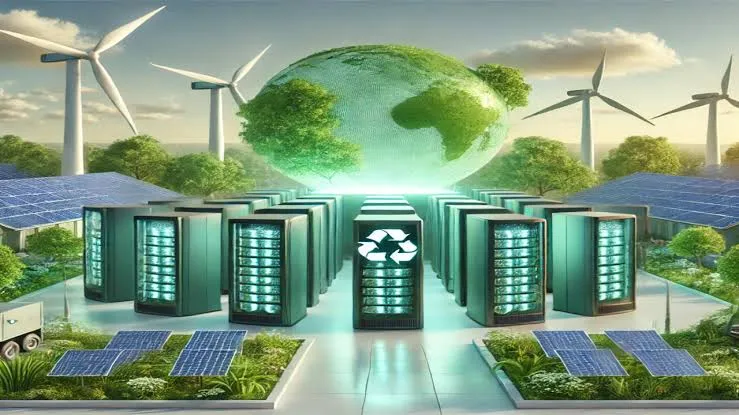
Technology has become an essential part of modern life. From smartphones and laptops to cloud computing, artificial intelligence, and data centers, digital tools influence almost every industry. However, the rapid expansion of technology also creates environmental challenges. Electronic waste, increasing electricity consumption, carbon emissions, and the demand for natural resources have become important concerns. As digital services continue to grow, businesses and individuals must consider how their technology choices affect the environment. This is where green computing becomes increasingly important.
Green computing refers to the responsible design, production, use, and disposal of computers and other digital equipment. Its main objective is to reduce the environmental impact of technology without sacrificing performance, reliability, or convenience. Sustainable technology encourages energy-efficient hardware, longer device lifespans, responsible recycling, and environmentally conscious digital operations. Platforms such as apkprotech.com can contribute to this conversation by helping readers understand technology developments and the importance of making informed digital choices.
The growing interest in sustainable technology reflects a broader shift in how people approach innovation. Modern users are no longer concerned only with processing speed, storage capacity, and advanced features. They are also becoming interested in energy consumption, repairability, product durability, and environmental responsibility. Green computing connects these priorities by demonstrating that technological progress and environmental protection can work together.
Understanding the Meaning of Green Computing
Green computing is an approach to technology that focuses on minimizing environmental damage throughout the lifecycle of digital equipment. It includes everything from manufacturing computer components to operating devices efficiently and managing electronic waste after products reach the end of their useful lives. Rather than treating sustainability as a separate activity, green computing integrates environmental considerations into everyday technological decisions.
The concept covers several important areas, including efficient electricity consumption, reduced material waste, sustainable manufacturing, and responsible disposal. For example, a laptop designed to consume less electricity can reduce energy demand over several years of use. Similarly, a computer that supports hardware upgrades and repairs may remain useful longer, preventing unnecessary replacement and reducing electronic waste.
Another important aspect is the efficient management of digital infrastructure. Businesses operating large servers, cloud platforms, and data centers require significant computing resources. Improving server utilization, selecting efficient processors, and optimizing cooling systems can help reduce electricity consumption. These improvements demonstrate that sustainability is not limited to individual devices but also applies to the wider digital ecosystem.
Why Sustainable Technology Matters in the Current Scenario
The demand for digital services continues to increase as organizations adopt cloud platforms, artificial intelligence, online communication, and automated business systems. These technologies provide convenience and economic opportunities, but they also require physical infrastructure, electricity, cooling systems, and electronic components. As a result, the environmental impact of digital expansion deserves greater attention.
Data centers are an important example. They operate continuously to support websites, applications, databases, streaming platforms, and business services. Their electricity requirements include both computing operations and cooling equipment. As digital workloads become more demanding, improving energy efficiency becomes an important responsibility for technology providers.
Electronic waste is another growing challenge. Consumers frequently replace smartphones, tablets, computers, and accessories when newer models become available. Many discarded products contain materials that require specialized recycling. If electronic waste is handled improperly, valuable resources may be lost and harmful substances can create environmental risks.
Sustainable technology offers practical ways to address these concerns. Instead of replacing equipment unnecessarily, consumers can maintain devices, upgrade components where possible, and choose products designed for longer use. Businesses can invest in efficient infrastructure and responsible procurement practices. Technology-focused discussions on apkprotech.com can help make these environmental considerations easier for everyday users to understand.
Energy-Efficient Devices and Their Environmental Benefits
Energy efficiency is one of the most recognizable elements of green computing. Modern electronic devices can perform demanding tasks while using less electricity than older generations of equipment. Improvements in processor architecture, display technology, battery management, and power-saving software have helped manufacturers develop more efficient products.
For consumers, choosing an energy-efficient computer or laptop can provide benefits beyond environmental protection. Devices that manage power effectively may generate less heat, reduce electricity expenses, and offer better battery performance. These features are particularly useful for students, remote workers, and professionals who depend on their equipment throughout the day.
Operating systems also play a significant role in reducing energy consumption. Power-saving modes, automatic screen brightness adjustment, background application management, and sleep settings can prevent unnecessary electricity use. Users who enable these features can improve the efficiency of their existing devices without purchasing new hardware.
However, energy efficiency should not be judged only by product advertisements. Buyers should consider actual power consumption, device performance, expected lifespan, and repair options. A product that uses slightly less electricity but requires frequent replacement may not always represent the most sustainable choice.
The Role of apkprotech.com in Promoting Sustainable Technology Awareness
Technology awareness is an important part of building environmentally responsible digital habits. Many consumers understand the basic features of smartphones and computers but may not know how their purchasing decisions influence energy use and electronic waste. Informative technology content can help bridge this knowledge gap.
apkprotech.com can support sustainable technology awareness by discussing developments related to energy-efficient devices, responsible digital practices, software optimization, and emerging innovations. Educational discussions can explain why device maintenance matters, how power-management features work, and what consumers should consider before upgrading their equipment.

Another valuable contribution is helping readers understand the relationship between technological innovation and environmental responsibility. For example, a discussion about modern laptops can include information about battery efficiency, repairability, material selection, and product durability. This broader perspective allows readers to evaluate technology beyond its appearance and technical specifications.
Digital platforms can also encourage responsible habits by highlighting practical steps that individuals can adopt. These may include reducing unnecessary printing, avoiding excessive device replacement, using cloud resources efficiently, and recycling old electronics through appropriate collection programs. Such information can make sustainability feel achievable rather than complicated.
Green Data Centers and Sustainable Cloud Computing
Cloud computing has transformed how people store information, access applications, and manage business operations. Instead of maintaining all computing resources locally, organizations can use remote servers operated by cloud service providers. This approach can improve flexibility and resource utilization, but it also creates environmental considerations.
Data centers require electricity to operate servers, networking equipment, storage systems, and cooling infrastructure. Green data centers address these challenges through efficient building designs, advanced cooling technologies, improved hardware utilization, and responsible energy management.
One important strategy is server virtualization. Virtualization allows multiple virtual machines or workloads to operate on fewer physical servers. This can reduce the amount of hardware required for certain computing tasks and improve resource utilization. Better workload distribution can also prevent servers from consuming electricity while operating below their useful capacity.
Renewable energy is another important part of sustainable cloud infrastructure. Some data center operators invest in renewable electricity procurement and energy-efficiency improvements to reduce their operational environmental impact. However, sustainability depends on several factors, including electricity sources, cooling requirements, equipment manufacturing, and overall resource consumption.
| Green computing practice | Environmental benefit | Practical application |
|---|---|---|
| Energy-efficient hardware | Reduces electricity demand | Choose efficient laptops and computers |
| Server virtualization | Improves hardware utilization | Run multiple workloads on fewer servers |
| Renewable energy | Reduces reliance on fossil-fuel electricity | Use renewable-powered infrastructure |
| Electronic recycling | Supports responsible material recovery | Recycle old devices through authorized programs |
| Software optimization | Reduces unnecessary computing activity | Remove unwanted background applications |
Electronic Waste Management and Responsible Recycling
Electronic waste, commonly called e-waste, includes discarded computers, smartphones, monitors, batteries, printers, and other electronic products. The increasing availability of new devices has encouraged frequent upgrades, making responsible disposal an important environmental issue.
Many electronic products contain materials that can be recovered and reused. Recycling programs can help recover metals, plastics, and other valuable components while reducing the need for additional raw material extraction. However, electronic waste must be processed using appropriate methods because some components require specialized handling.
Consumers can contribute by avoiding the disposal of electronic equipment with ordinary household waste. Instead, they should look for authorized electronic waste collection centers, manufacturer take-back programs, or recognized recycling services. These options help ensure that discarded products are handled more responsibly.
Before recycling a smartphone or computer, users should also protect their personal information. Important files should be backed up, accounts should be signed out, and storage devices should be securely erased using appropriate procedures. Responsible recycling should protect both the environment and individual privacy.
How Artificial Intelligence Can Support Green Computing
Artificial intelligence is becoming an important part of modern technology, offering opportunities to improve efficiency across several industries. Although AI systems require computing resources and electricity, they can also support environmental improvements when designed and deployed responsibly.
For example, AI-powered energy management systems can analyze electricity consumption patterns and identify opportunities to reduce unnecessary usage. In commercial buildings, intelligent systems can adjust lighting, heating, ventilation, and cooling according to occupancy and environmental conditions. These adjustments can improve energy efficiency without requiring constant manual intervention.
AI can also support predictive maintenance in industrial environments. By analyzing equipment performance, temperature, vibration, and operating conditions, predictive systems can identify potential problems before major failures occur. This may extend equipment lifespan, reduce material waste, and improve operational efficiency.
However, artificial intelligence is not automatically sustainable. Training and operating advanced models can require substantial computing resources. Organizations should therefore consider model efficiency, hardware requirements, workload size, and electricity sources when implementing AI solutions. Sustainable innovation involves balancing technological capabilities with environmental responsibilities.
Practical Green Computing Habits for Everyday Users
Sustainable technology does not always require expensive equipment or major lifestyle changes. Small adjustments in everyday digital behavior can help reduce unnecessary electricity consumption, extend device lifespan, and limit electronic waste.
Individuals can start by making better use of the devices they already own. Keeping software updated, cleaning storage regularly, protecting batteries from excessive heat, and avoiding unnecessary background applications can improve device performance. Regular maintenance may also reduce the need for premature replacement.
Another useful habit is managing electricity consumption. Computers should be switched off when they are not required for extended periods, while sleep settings can help reduce power usage during short breaks. Users can also disconnect chargers and accessories when they are not needed, provided this is practical and safe.
Some simple habits include:
-
Enable power-saving settings on computers and smartphones.
-
Repair or upgrade devices instead of replacing them unnecessarily.
-
Recycle old electronics through authorized collection programs.
-
Reduce unnecessary printing and digital storage duplication.
-
Choose durable products with suitable repair and upgrade options.
These actions may appear small individually, but consistent adoption across households, educational institutions, and workplaces can contribute to more responsible technology use.
Sustainable Software Development and Green Coding
Software development also influences the environmental impact of digital technology. Applications that use excessive processing power, unnecessary network communication, or poorly optimized storage systems can increase computing requirements. Green coding focuses on developing software that performs required tasks efficiently while minimizing unnecessary resource consumption.
Developers can improve software efficiency by reducing redundant operations, optimizing database queries, managing memory carefully, and avoiding unnecessary background processes. These improvements can reduce processing requirements and improve application responsiveness.
For example, a mobile application that continuously refreshes information in the background may consume more battery power and network resources than an application that updates information only when necessary. Similarly, an inefficient website with oversized images and unnecessary scripts may require additional data transfer and processing.
Efficient software can benefit users and service providers. Applications may load faster, mobile batteries may last longer, and servers may handle workloads more efficiently. Sustainable software development therefore connects good engineering practices with environmental responsibility.
Green Computing in Businesses and Educational Institutions
Businesses and educational institutions are important participants in the transition toward sustainable technology. Offices, schools, universities, and training centers use computers, printers, networking equipment, and digital platforms every day. Their technology decisions can influence electricity consumption and electronic waste on a considerable scale.
Organizations can begin by evaluating their existing equipment and identifying inefficient systems. Replacing outdated hardware with energy-efficient alternatives may be useful when the environmental and financial benefits justify the investment. However, extending the lifespan of suitable equipment through maintenance and upgrades can also be an effective strategy.
Educational institutions can introduce green computing concepts into digital literacy programs. Students can learn about responsible device usage, electronic recycling, energy efficiency, and sustainable software practices. These lessons can encourage environmentally conscious behavior from an early age.
Businesses can also establish internal policies covering equipment procurement, electricity management, printing, and electronic waste disposal. Employees who understand these policies are more likely to adopt sustainable habits as part of their everyday responsibilities.
Challenges in Adopting Green Computing
Despite its benefits, green computing faces several practical challenges. One of the biggest obstacles is the initial cost of adopting energy-efficient equipment and upgrading existing infrastructure. Smaller organizations may struggle to invest in modern systems, particularly when their current equipment continues to function.
Another challenge is limited consumer awareness. Some users prioritize processing speed, design, and price without considering repairability, power consumption, or long-term environmental impact. Manufacturers and technology educators can help address this issue by making sustainability information easier to understand.
Electronic waste management also varies between locations. Not every community has convenient access to authorized recycling facilities, and some consumers may not know how to dispose of old devices properly. Better collection systems and public awareness initiatives are needed to improve recycling participation.
The rapid development of technology creates an additional challenge. New products appear frequently, encouraging consumers to replace devices even when existing equipment remains useful. A more sustainable approach requires greater attention to product durability, repair services, software support, and responsible purchasing decisions.
The Future of Green Computing and Sustainable Innovation
The future of green computing will likely involve improvements across hardware, software, manufacturing, and digital infrastructure. Technology companies are exploring more efficient processors, advanced battery systems, improved cooling solutions, and materials that can support more responsible manufacturing.
Artificial intelligence and automation may also help organizations monitor resource consumption more accurately. Intelligent energy systems can identify inefficient operations, while predictive maintenance tools can help extend the useful life of equipment. These innovations may create new opportunities for businesses to reduce waste while maintaining productivity.
Circular technology models are another important development. Instead of following a simple manufacturing, purchasing, and disposal cycle, circular approaches focus on repairing, reusing, refurbishing, and recycling products. This can help preserve valuable materials and reduce the environmental impact associated with constant new production.
Consumer expectations may influence this transition as well. As people become more informed about environmental issues, they may increasingly consider device longevity, energy efficiency, and responsible manufacturing when choosing technology. Discussions and educational resources from platforms such as apkprotech.com can help readers understand these developments and their practical importance.
How Consumers Can Make More Sustainable Technology Choices
Consumers have an important role in encouraging environmentally responsible technology. Every purchase sends a message about the features and practices that people value. Choosing products based on durability, energy efficiency, and repair options can encourage manufacturers to pay greater attention to sustainability.
Before buying a new device, consumers should consider whether their current equipment can meet their requirements through maintenance or upgrades. If replacement is necessary, they can compare energy consumption, expected software support, warranty coverage, and repair availability.
It is also useful to understand the complete lifecycle of electronic products. A device may appear environmentally friendly during operation but still require significant resources during manufacturing. Looking beyond individual specifications helps consumers make more informed decisions.
Responsible purchasing does not mean avoiding technological progress. It means selecting innovations that offer genuine value while reducing unnecessary consumption. By combining practical research with responsible usage, individuals can support a more sustainable digital environment.
Conclusion
Green computing is becoming an essential part of modern technological development. As digital devices, artificial intelligence, cloud computing, and connected services continue to expand, environmental responsibility must remain an important consideration. Energy-efficient hardware, optimized software, sustainable data centers, electronic recycling, and longer device lifespans all contribute to reducing the environmental impact of technology.
Businesses, developers, manufacturers, educational institutions, and individual consumers each have opportunities to support this transition. Even simple actions, such as enabling power-saving settings, repairing electronic products, and recycling outdated equipment responsibly, can encourage more sustainable digital habits.
The relationship between technology and sustainability will become increasingly important in the coming years. Through greater awareness, responsible innovation, and informed decision-making, the digital world can continue progressing while paying closer attention to environmental protection. Educational technology discussions on apkprotech.com can contribute to this awareness by helping readers understand why sustainable computing matters and how practical choices can support a greener technological future.